
A .ZZ compressed archive is generally an archive built on deflate-style compression, either through the Zzip utility or the zlib format. Historically, the extension became known through Zzip, a compression utility by Damien Debin that runs on both Windows and Unix variants. Within the Zzip ecosystem, .ZZ archives store files compressed using a Burrows–Wheeler–inspired method, along with built-in tests to verify data integrity and special handling for audio and video content. Over time, developers also began using .ZZ as the standard extension for pure zlib streams, which is why tools such as pigz produce .ZZ files whenever the zlib mode (-z or –zlib) is selected. As a result, any given .ZZ file may originate from Zzip or from a zlib-oriented tool, but underneath it still relies on compatible deflate compression concepts. You can usually decompress .ZZ archives using native tools like Zzip or pigz and other zlib-capable programs, but a general-purpose viewer such as FileViewPro simplifies the process by recognizing the extension, identifying whether it is Zzip or zlib data, and presenting the contents through a familiar interface.
A compressed file is compact file packages that reduce the size of the information they hold while keeping it organized and easy to handle. Behind the scenes, they function by analyzing patterns and redundancy in data and then representing that information in a more efficient way. As a result, your storage space stretches further and your transfers are completed with less waiting time. Whether it is one spreadsheet or a full collection of mixed files and subfolders, everything can be bundled into a single compressed package, all wrapped into one smaller file than the originals. Because of this versatility, compressed formats appear everywhere, from software downloads and backups to email attachments, game resources, and long-term data archives.
The story of compressed files tracks the progress of data compression research and the rise of everyday desktop computing. In the 1970s and 1980s, researchers such as Abraham Lempel and Jacob Ziv introduced the foundational LZ77 and LZ78 algorithms, demonstrating that redundancy could be removed without permanently losing information. These ideas eventually led to widely used methods like LZW and DEFLATE, which power many popular compression formats today. As DOS and early Windows spread, utilities such as PKZIP, created by developers like Phil Katz, made compression part of normal computer use, cementing ZIP as a go-to format for compressing and grouping files. Over time, other developers and companies added new formats that focused on higher compression ratios, stronger encryption, or better error recovery, but the basic idea stayed the same: take one or more files, apply an algorithm, and produce a smaller archive that is easier to move and manage.
Under the hood, archives use compression schemes that are typically categorized as either lossless or lossy. Lossless approaches keep every single bit of the original, which is critical when you are dealing with applications, spreadsheets, code, or records. Common archive types like ZIP and 7z are built around lossless algorithms so that unpacking the archive gives you an exact duplicate of the source files. On the other hand, lossy methods trade some detail for dramatic size savings, most commonly in music, film, and visual content. Even when the formats look different on the surface, all compression is still about capturing structure and similarity so files occupy fewer bytes. Many compressed archives also combine both the act of shrinking the data and packaging multiple files and folders into one unit, turning compression into a tool for both efficiency and organization.
Improved hardware and connectivity did not make compression obsolete; instead, they turned archives into essential building blocks in more complex workflows. One major use case is software delivery: installers and app bundles are often compressed so users can get them faster and then expand them locally. In gaming and multimedia, massive collections of images, audio, and data can be wrapped into compressed resource files that engines can stream and update efficiently. If you beloved this post in addition to you would like to be given more details concerning Z07 file generously pay a visit to our web site. For administrators and DevOps teams, compression is tightly woven into tasks like archiving server logs, packaging build artifacts, and moving configuration bundles between machines. Distributed systems and cloud platforms continuously compress data behind the scenes, helping keep performance high and bills under control.
Beyond everyday transfers, compression has become a backbone for serious archival and security-focused workflows. By shrinking data, they make it feasible to store large email archives, research collections, project histories, and media libraries on external drives, tape systems, or cloud backup services. To guard against bit rot or transfer errors, compressed archives often embed mechanisms to confirm that everything inside is still valid. When privacy is a concern, encrypted compressed archives offer an extra layer of defense on top of size reduction. Thanks to these features, compressed archives are now routinely used to safeguard business data, personal information, and intellectual property.
On the practical side, compressed files remove a lot of friction from sharing and organizing information. Instead of sending dozens of separate attachments, you can place them in a folder, compress it, and share a single smaller archive that is faster to upload and download. When collaborating, this also ensures that the original folder structure and filenames remain intact, so nothing is lost or reordered accidentally. Some programs even rely on compression in the background for troubleshooting, creating ready-to-send archives of logs and configuration data. Learning how to open, inspect, and extract compressed archives has therefore become a basic computer skill, not just something for advanced users or IT professionals.
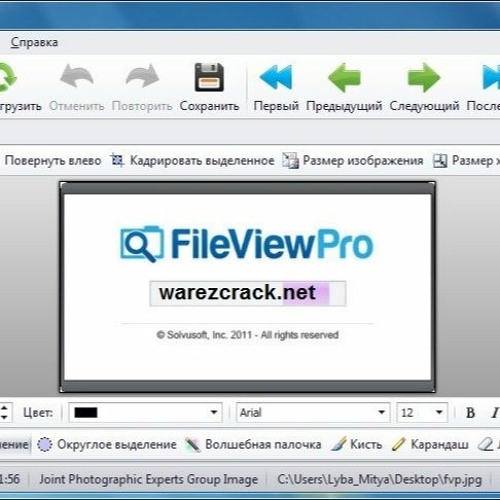
With numerous formats in the wild, it is common for users to run into archives they have never seen before and are not sure how to open. Instead of guessing which program to use, you can rely on FileViewPro to identify and open the archive for you. Rather than installing multiple separate decompression tools, users can rely on a single solution that lets them quickly see what is inside, extract only what they need, and avoid damaging or misplacing important files. In everyday use, FileViewPro acts as the bridge between sophisticated compression algorithms and a straightforward, familiar viewing experience.
Looking ahead, compressed files will continue to adapt as storage devices, networks, and user expectations evolve. Newer compression methods are being tuned for today’s needs, from huge scientific datasets to interactive online experiences. Even as hardware improves, storage and bandwidth are not infinite, so compression remains an essential tool. In every scenario, from home PCs to enterprise servers, compressed files make data easier to move, store, and protect. By pairing advanced compression formats with an accessible viewer like FileViewPro, the benefits of smaller, smarter files become available to every user, not just technical experts.