
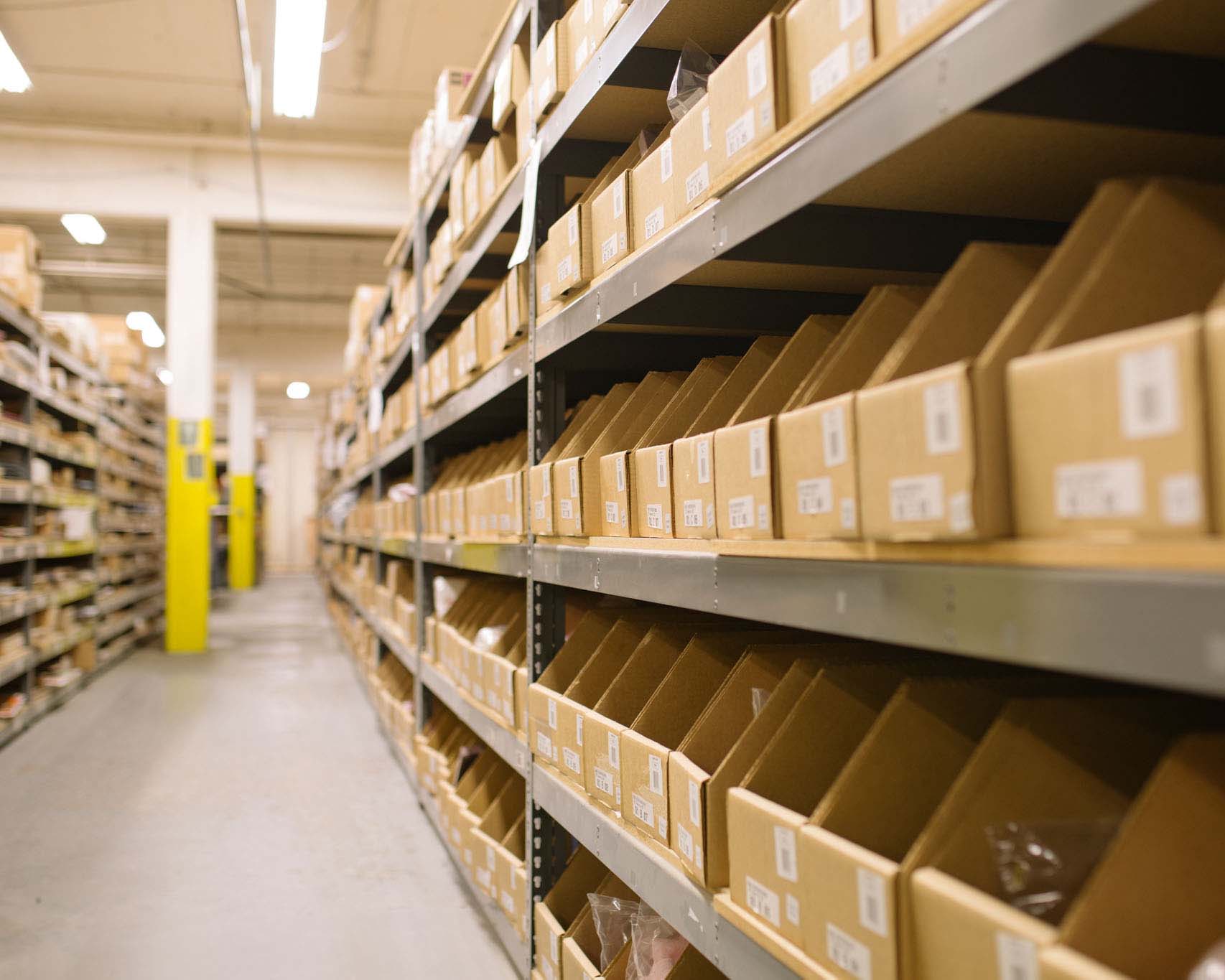
 In the highly contested world of e-commerce, speed and accuracy are not just perksthey are absolute necessities. The contemporary customer expects their order to be shipped instantly and to arrive perfectly. Meeting these demanding expectations requires more than just a storage space and hard work. It requires a intelligent warehouse fulfillment system. Implementing such a system delivers a multitude of measurable benefits that directly impact a company’s bottom line. These benefits are more than just simple organization.
One of the most immediate benefits is a substantial improvement in picking accuracy. Manual processes are inherently prone to human error. A worker might misinterpret a paper pick list, grab the incorrect size, or miscount quantities. Each error results in a problematic return, a frustrated customer, and a hurt brand reputation. A integrated Fulfillment services system mitigates these errors. Through tools such as barcode scanning, light-directed picking systems, and real-time software guidance, the system leads workers through each step with pinpoint accuracy. The worker is told exactly what to pick, from which location, and in what quantity, leaving room for mistake.
Hand-in-hand with improved accuracy comes a significant increase in warehouse productivity. Traditional, disorganized methods are time-consuming. Employees spend considerable time walking around the warehouse, searching for items, and processing orders. A optimized system streamlines the entire workflow. The central software calculates the most efficient pick paths, zoning orders to reduce travel time. Guided processes reduce the cognitive load on employees, allowing them to work faster. This means more orders fulfilled per hour, per shift, and per employee, labor costs and increasing throughput capacity without needing a larger space or more staff.
This improved efficiency logically leads to major reduction in expenses. While there is an upfront investment in the system, the long-term payoff is rapid. Savings are realized in various areas. Reduced errors mean fewer returns, which cuts the costs associated with reverse logistics. Higher productivity means you can fulfill more orders with the same or even fewer labor hours, reducing your primary operational expense. Furthermore, advanced systems often include cubing and box selection software. This ensures the most efficient packaging is used for every order, significantly minimizing dunnage costs and, even more importantly, on freight charges from carriers. These combined savings make a huge difference to the bottom line.
For any expanding business, the benefit of effortless scalability is critical. Without a robust system, handling a rapid increase in order volume is a logistical nightmare. It often requires quickly hiring and training seasonal staff, who are more prone to errors, and struggling to manage the crush of orders with outdated methods. A scalable fulfillment system manages increased volume with grace. The digital infrastructure are already in place. New workers can be trained quickly because the system instructs their actions. The processes are consistent, allowing the operation to scale up (or down) without friction in response to market demands. This provides a competitive edge and allows leadership to launch promotions without dreading operational collapse.
Finally, and perhaps most crucially in today’s market, a reliable warehouse fulfillment system elevates the customer experience. Speed and accuracy are the bedrock of customer satisfaction. When orders are fulfilled perfectly and shipped rapidly, customers are happy. They receive real-time shipping confirmations and tracking information, which builds trust. The ability to provide services like two-day shipping becomes feasible because the system enables the necessary speed. A positive delivery experience creates repeat business, leading to increased retention and social proof. In essence, the fulfillment system becomes a key component of the brand promise, ensuring that the final interaction is as impressive as the first click.
In conclusion, the benefits of implementing a modern warehouse fulfillment system are far-reaching. They create a positive feedback loop of customer delight. From the measurable gains in accuracy, speed, and cost savings to the strategic advantages of scalability and enhanced customer experience, the investment drives growth many times over. It transforms the warehouse from a static cost center into a strategic asset. For businesses aiming to thrive in the customer-centric digital economy, a powerful fulfillment system is not merely a technological upgradeit is the critical backbone for sustainable success.