
When designing a trade show booth, it’s easy to get caught up in covering every surface with visuals and merchandise, but overloading = overwhelming. In fact, one of the most powerful tools in booth design is what you leave out. Empty space, or negative space, isn’t wasted room—it’s deliberate minimalism that directs attention, lowers cognitive load, and enhances the overall experience.
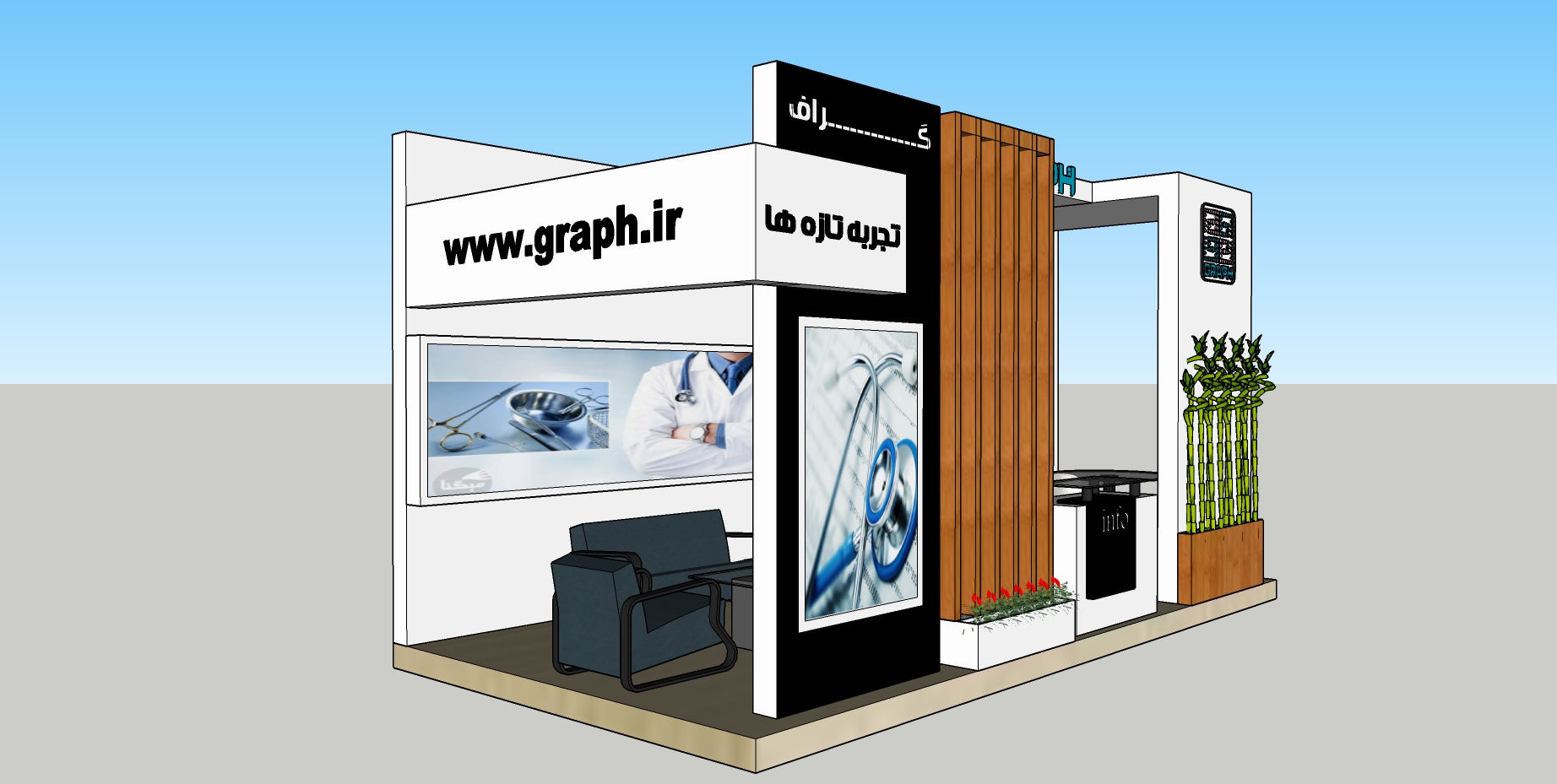
Visual clutter is one of the primary causes attendees walk past booths without stopping. When multiple messages clash, the key intent is drowned out. A well-designed booth uses visuals purposefully. One bold visual, a concise tagline, and a few well-placed product samples can communicate your brand غرفه نمایشگاه far more effectively than a wall of text and flashing lights. The key is to give every piece room to shine by using negative space as a visual buffer.
Empty space doesn’t mean bare or unfinished. It means thoughtful placement. For example, leaving open areas around a central display draws visitors toward it naturally. It gives them room to move, to pause, and to internalize your message. This creates a air of refined credibility, making your brand feel more trustworthy and refined.
Consider how people move through a show floor. They’re fatigued, overstimulated, and rushing. A booth with clarity and simplicity feels inviting, not intimidating. It draws people in, not pushes them away. Think of empty space as a visual pause—a moment for the viewer to catch their breath and focus on what matters.
Balance is the foundation. Too much empty space can make a booth feel lacking energy. Too little can feel chaotic. The goal is purposeful contrast. Test your design by stepping back and squinting. If you struggle to grasp the core idea, you’ve likely overloaded the space. If there’s no visual anchor, you may have over-prioritized emptiness.
Start with your primary objective. What’s the one thing you need them to take away? Build your visuals around that. Then remove everything else that doesn’t directly support it. Let the space work for you. It’s not about filling every corner—it’s about crafting an environment people want to return to.