
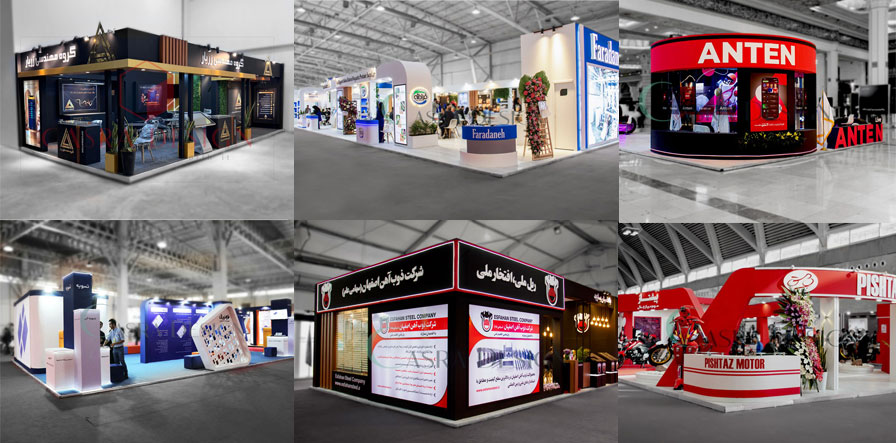
Event setups commonly rely on disposable elements that end up in landfills.
Spanning structural elements, flooring systems, and visual branding elements, غرفه نمایشگاه the industry generates significant waste that ends up in landfills. However, there are practical steps that event planners, designers, and contractors can take to reduce this environmental impact without compromising quality or creativity.
The smartest long-term tactic is to build with repetition in mind. Skip custom builds and opt for standardized, interlocking components that adapt across shows. Many companies now offer standardized components that fit together like building blocks, allowing for endless configurations while minimizing material use. These systems not only reduce waste but also lower long-term costs.
Equally vital is selecting eco-friendly substrates. Choose materials with post-consumer content, FSC certification, or low-impact production. Substitute PVC with bio-based composites or recycled metal alloys. Ditch polystyrene and vinyl; switch to recycled paperboard, organic cotton canvases, or reusable HDPE panels.
When it comes to signage and graphics, digital displays are becoming more affordable and widely available. No more disposal of vinyl graphics or paper backdrops after the show closes. If physical signage is necessary, use water based inks and print on materials that can be easily recycled or composted.
Proactive design prevents waste before it begins. Precise CAD modeling and digital mockups cut excess procurement by up to 40%. Collaborate early with suppliers and contractors to ensure everyone is aligned on sustainability goals. Reassign excess fabric, wood, or hardware to educational programs or maker spaces.
Create a clear protocol for post-event material handling. Place signage and attendants at key disposal zones to guide proper sorting. Designate sustainability coordinators to audit waste streams.
Sustainable practices are reshaping the future of experiential design. Integrating circular design, renewable resources, and smart logistics enables both creativity and conservation. Consistent, intentional choices ripple across the industry, setting new benchmarks.