
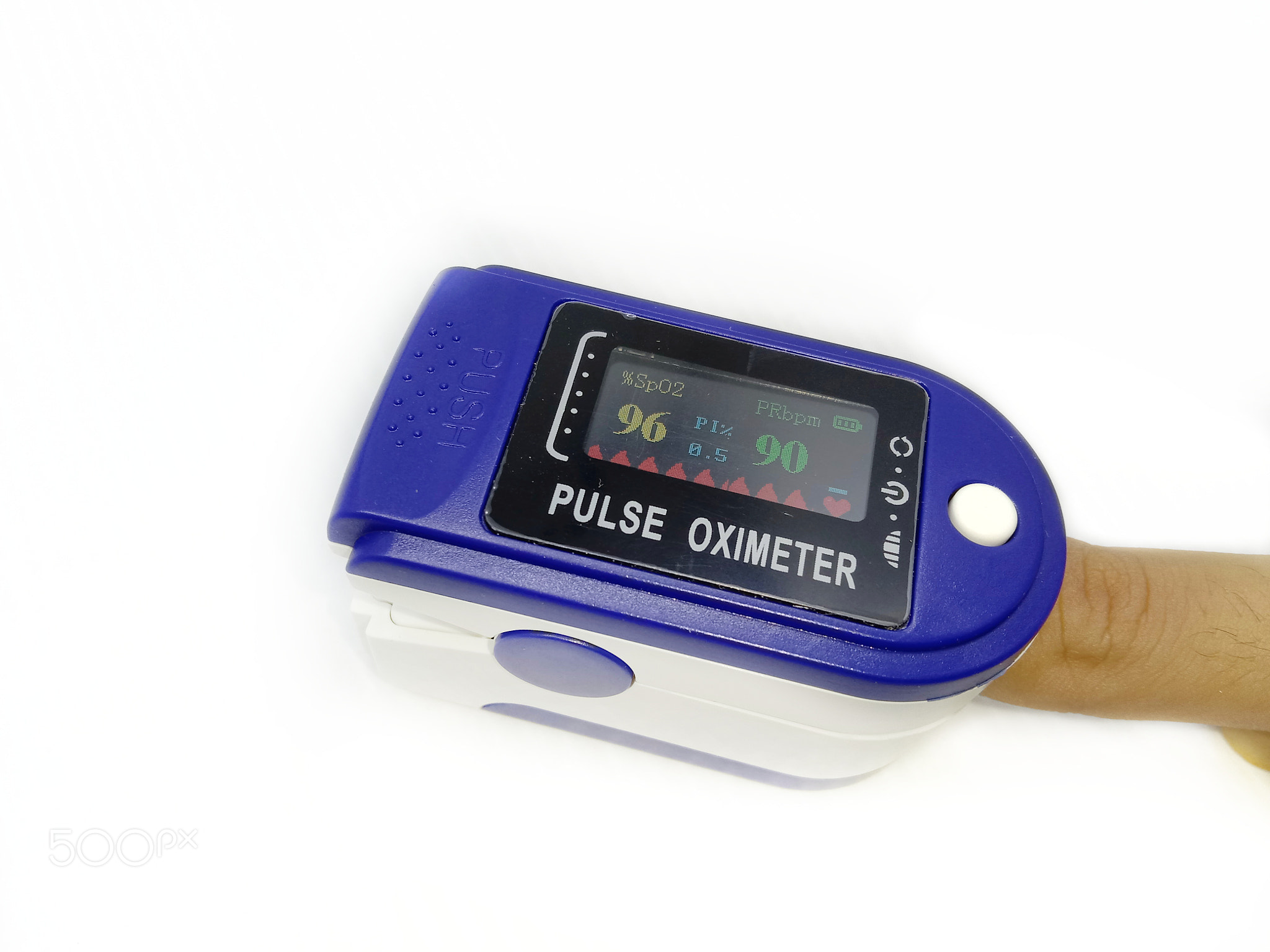
Smart rings are emerging as a leading wearable as wearable devices that track a wide range of health metrics with seamless integration into everyday routines. Compared to traditional fitness trackers, they are ultra-slim, nearly invisible, and continuously used, providing continuous data on heart rate variability, sleep patterns, body temperature, activity levels, and even blood oxygen saturation.
This deep reservoir of biometric data offers coaches a game-changing resource to design truly personalized coaching sessions that respond to real-time physiological cues.
With consistent, multi-week biometric tracking from a smart ring, they can escape generic fitness tracker templates and custom-build regimens based on biological patterns. To illustrate, if the ring shows that a client’s HRV plummets during specific periods, it may indicate chronic fatigue, overtraining, or hormonal imbalance. The coach can then adjust training intensity, introduce stress-reduction rituals, or recommend better sleep hygiene on those days instead of enforcing rigid schedules.
The ring’s sleep analytics can reveal subtle disruptions clients overlook—like consistent late bedtimes or fragmented REM cycles. A coach can use this insight to synchronize exercise with peak energy windows, boosting results while minimizing strain. If metrics show peak energy in the late day yet sessions are scheduled for night, the coach can reschedule training to coincide with natural energy surges.
Moreover, smart rings can detect minor thermal fluctuations that may signal immune response triggers or endocrine variations. For female clients, this can help coaches map hormonal phases to physical performance and rest requirements, allowing for precision-timed workout and diet adjustments. Such granular customization was unattainable without blood work or unreliable logs.
Trainers can analyze longitudinal patterns to highlight meaningful, non-superficial improvements. Instead of just tracking steps or calories burned, they can demonstrate enhanced HRV resilience or faster heart rate return, or how nocturnal HR trends reflect stronger aerobic fitness. These indicators carry far greater weight than arbitrary targets and help build long term motivation.
The real power lies in the combination of objective data and human insight. The ring isn’t the coach, but it makes the coach far more effective. With reliable, continuous feedback, coaches can respond proactively rather than reactively, foresee recovery needs ahead of time, and demonstrate that every plan is rooted in their physiology. As smart ring technology becomes more accurate and accessible, individualized training will shift from luxury to baseline practice, empowering diverse populations to thrive through biologically informed guidance.