
Light kelvin plays a essential role in how exhibits are perceived. It is not just about making objects visible; it is about evoking specific emotions, enhancing details, and influencing psychological reactions. The light hue, measured in Kelvin degrees, can make a antique object feel serene and dignified or a cutting-edge innovation appear vibrant and energetic.
Soft lighting, typically between 2700 to 3000K, tends to evoke comfort and intimacy. This is optimal for displays of textiles, vintage items, or cultural relics where a feeling of connection and heritage is desired.
On the other hand, High Kelvin lighting, ranging from 4000K–5000K, brings enhanced visual acuity. It works well in science and technology exhibits where precision and detail matter, helping visitors see textures, labels, and small components more clearly.
Mismatched lighting temperatures can distort colors and mislead interpretation. For example, using cool light on a painting from the 18th century might make the metallic accents lose luster or the colors appear faded, distorting the intended aesthetic. Similarly, amber-toned illumination in a digital exhibit might make digital interfaces look dim and outdated.
Harmonized illumination across an exhibit helps create a cohesive visual narrative and ensures that all items reflect their true appearance and context.
Beyond aesthetics, lighting temperature also impacts visitor engagement and alters their psychological response. Studies have shown that higher Kelvin settings can enhance concentration and mental clarity, which is ideal for learning environments. Warmer lighting can induce a meditative mood, making it perfect for sensitive or narrative-driven installations. The right choice supports the exhibit’s story and deepens engagement.
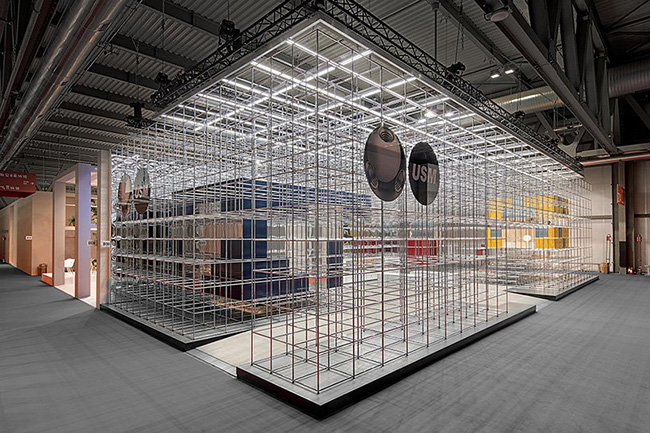
It is also important to consider sunlight and how it interacts with artificial sources. Sunlight changes throughout the day, and exhibits near openings may need smart illumination controls to match its shifting qualities. Modern LED systems now allows curators to fine tune color temperature with precision, making it simpler and more reliable to tailor illumination for individual artifacts.
Ultimately, غرفه سازی lighting temperature is a fundamental design element. It is a key instrument that shapes perception, preserves delicate materials, and amplifies narrative impact. When chosen thoughtfully, it transforms a static display into a immersive journey.