
When designing trade show booths for a global audience, it is not enough to focus solely on visual appeal or usability. Cross-cultural awareness play a critical importance in how your brand is perceived and how successfully your message is engaged with. Different cultures have distinct beliefs, emblems, colors, and verbal and nonverbal cues that can either enhance or weaken your presence at an global exhibition.
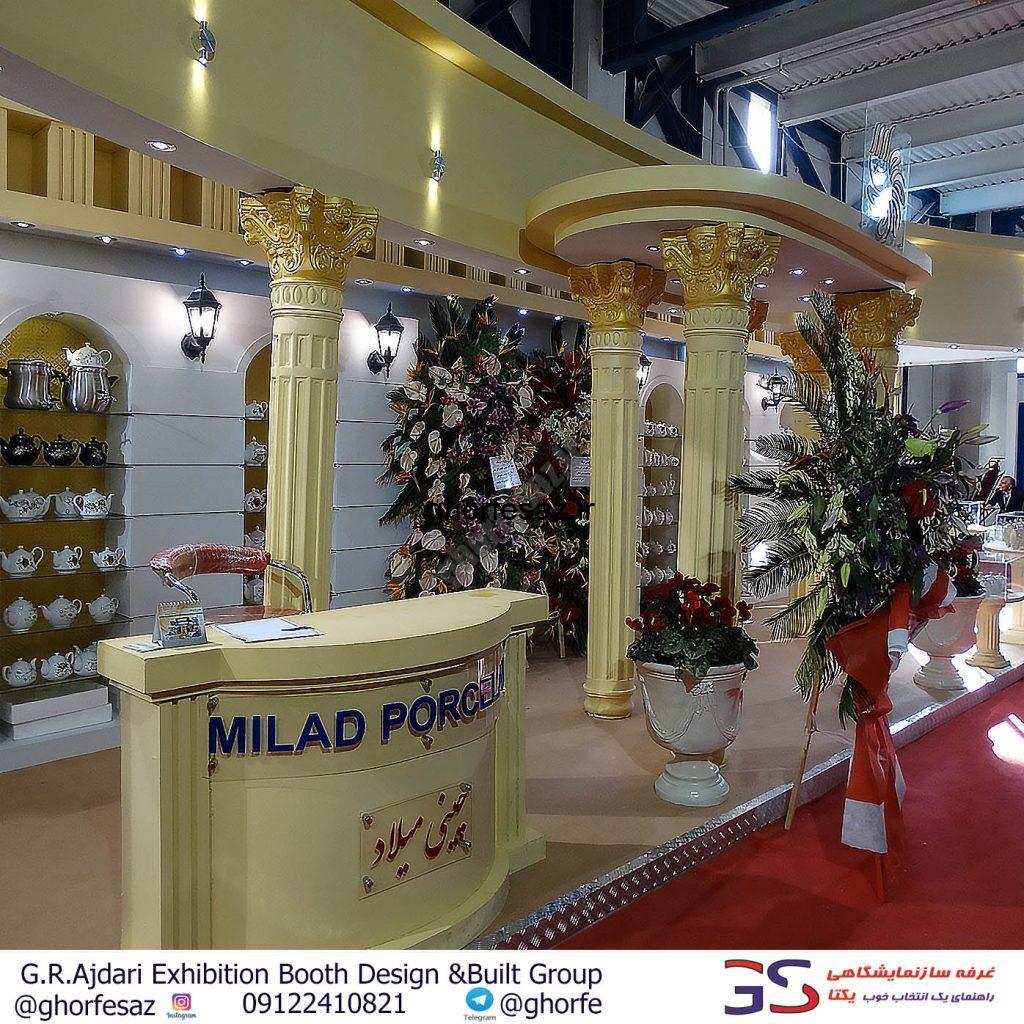
For example, color meaning varies significantly across regions. In North America and Europe, white often represents elegance and clarity, making it a preferred palette for modern layouts. However, in many Southeast and Northeast Asian societies, white is symbolic of bereavement. Using white as a central tone in those markets could trigger cultural discomfort. Similarly, red is seen as lucky and prosperous in China, but in some parts of the Middle East and Sub-Saharan Africa, it can signify warning or hostility. Understanding these subtleties helps avoid missteps that could erode consumer trust.
Physical arrangement and zoning also reflect societal norms. In individualistic societies like the United States or Australia, spacious, approachable designs with clear pathways encourage one-on-one engagement. In contrast, غرفه سازی collectivist cultures such as East Asian nations with strong communal values may prefer formal, balanced arrangements that emphasize group harmony and honoring privacy. Overly crowded or chaotic designs might feel intimidating or intrusive in these contexts.
Communication styles differ too. Indirect communication societies like China, Japan, and many Middle Eastern countries rely on unspoken context, nonverbal cues, and trust networks to convey meaning. A booth that uses forceful promotional tone or exaggerated statements may come across as arrogant or insincere. On the other hand, Direct communication societies such as Germany or the Netherlands value accuracy and transparency. In these markets, exact specifications and unambiguous communication are far better received.
Even the way people interact with staff matters. In some cultures, firm visual connection is a sign of trustworthiness and engagement. In others, it can be seen as challenging or impolite, especially when directed at seniors or superiors. Educating your team to understand and respond to cultural cues can enhance attendee experience.
Another important factor is the use of imagery and symbols. Religious icons, gestures, or even animals can carry deep symbolic meanings. For instance, the number four is considered unlucky in several China, Korea, and Japan because it sounds similar to the word for death. Avoiding this number in signage, product codes, or booth numbering can show cultural sensitivity. Similarly, using images of hands in certain gestures may be deeply disrespectful in local contexts.
Finally, translation is only the beginning. Idioms, humor, and tone must be contextualized accurately. A direct translation of a slogan might be syntactically accurate but culturally inappropriate or confusing. Working with local experts fluent in language and nuance ensures your messaging connects deeply.
Designing for global trade shows requires more than a universal template. It demands thorough investigation, cultural humility, and flexibility. By taking the time to immerse yourself in the values of your audiences, you create booths that don’t just attract attention but establish loyalty, encourage engagement, and deliver lasting ROI.