
Immersive experiences powered by augmented reality and virtual reality are transforming the way audiences interact with exhibitions. Traditional constraints of static displays and text panels. Museums, galleries, and cultural institutions are now crafting living historical worlds that allow visitors to step into history and handle digital replicas in ways beyond the reach of traditional exhibits.
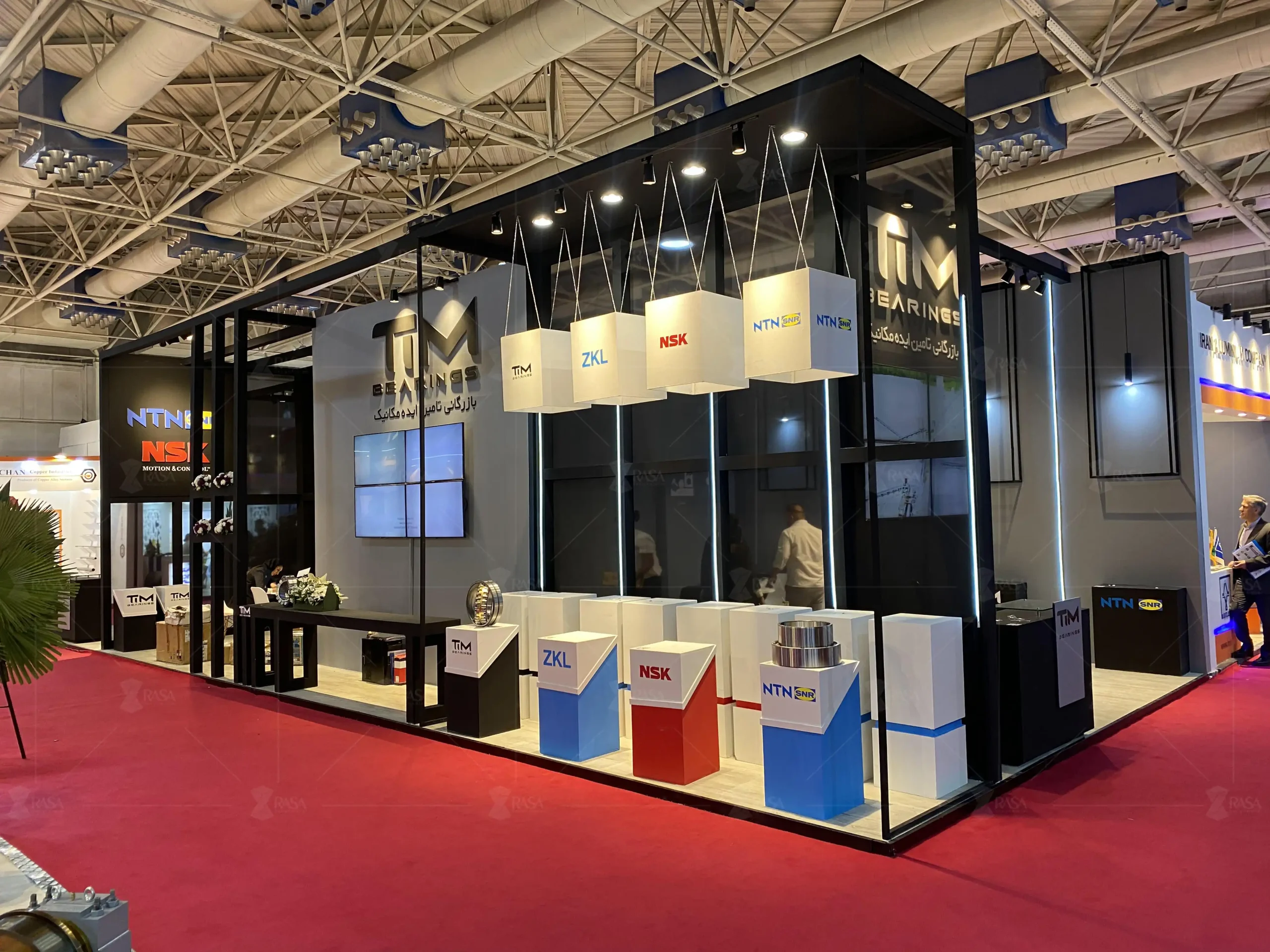
Augmented reality boosts the exhibition floor by projecting interactive media onto real objects. For instance, visitors can scan with tablets at an historic artifact and witness a lifelike 3D reconstruction of how it appeared at the time of creation, accompanied by authentic coloration and cultural background that clarify its legacy.
Virtual reality deepens immersion by immersing guests into completely simulated worlds. Imagine being navigating a reconstructed imperial bazaar, being surrounded by vendors calling out, or gazing inside a 12th-century church as it looked centuries ago. These experiences extend past visuals—they combine immersive acoustics, haptic feedback, and even scent simulation to deliver a full sensory journey.
A transformative power of AR and VR in exhibitions is their power to make accessible history and art for everyone. Visitors with accessibility needs can climb ancient ziggurats without leaving their wheelchairs. Children learn through play as digital guides explain complex ideas in child-friendly formats. Even scholars gain fresh perspectives by viewing artifacts from impossible angles—outside the scope of traditional display methods.
AR and VR offer unprecedented flexibility in exhibition design. Content can be updated instantly, reducing the need for costly physical renovations. Delicate artifacts can be safely scanned and made viewable while protected from environmental damage. Digital twins allow for tactile interaction without compromising authenticity.
With the growing affordability and ease of more intuitive, غرفه سازی educational centers are embracing them as essential but as vital storytelling tools. The objective is not to supplant the original artifacts—but to deepen the emotional bond between people and the stories behind objects. When designed with care, immersive experiences convert onlookers into engaged learners, making learning more meaningful, unforgettable, and profoundly moving.