
The .ZFX file extension is generally a proprietary ZipForm data container that stores real-estate transaction information. Within ZipForm, the .ZFX file holds the structured data that drives a transaction, letting the software fill out different contracts and disclosures using a single, centralized set of values. Alongside the raw data, .ZFX can preserve layout mappings and form associations, which tell ZipForm where each piece of information belongs on each document. A few legacy catalogs list .ZFX for a CC3 packer utility, but in modern practice almost all .ZFX files you encounter will be ZipForm transactions Because .ZFX is a specialized data container rather than a simple document or generic archive, it is best opened in ZipForm itself, while a multi-format viewer like FileViewPro can help recognize the extension, identify it as ZipForm data, and—where supported—let you inspect or export the contents without guessing which application to try first.
Compressed archives are compact file packages that reduce the size of the information they hold while keeping it organized and easy to handle. At their core, they work by looking for repeating patterns and unnecessary duplication so the same information can be written in a shorter form. As a result, your storage space stretches further and your transfers are completed with less waiting time. A compressed file can contain a single document, an entire folder tree, or even complex software installations, condensed into one archive that takes up less space than the separate files would. That is why almost every workflow, from simple file sharing to professional data handling, relies on compressed files somewhere along the way.
Compressed archives only became practical after key breakthroughs in compression theory and widespread adoption of home and office PCs. In the 1970s and 1980s, researchers such as Abraham Lempel and Jacob Ziv introduced the foundational LZ77 and LZ78 algorithms, proving that you could spot repetition in a data stream, store it in a shorter form, and still rebuild every bit exactly. From those early designs came mainstream techniques such as LZW and DEFLATE, now built into a wide range of common archive types. As DOS and early Windows spread, utilities such as PKZIP, created by developers like Phil Katz, made compression part of normal computer use, which popularized the ZIP format and established a simple way to bundle and shrink files on early systems. Since then, many alternative archive types have appeared, each offering its own balance of speed, compression strength, and security features, yet all of them still revolve around the same core principle of compact packaging.
Under the hood, archives use compression schemes that are typically categorized as either lossless or lossy. Lossless approaches keep every single bit of the original, which is critical when you are dealing with applications, spreadsheets, code, or records. Formats such as ZIP, 7z, and many archive-style containers use lossless techniques to ensure that files can be restored exactly as they were. Lossy compression, by contrast, deliberately discards information that is considered less important, especially in media like audio, video, and certain images. Even when the formats look different on the surface, all compression is still about capturing structure and similarity so files occupy fewer bytes. Many compressed archives also combine both the act of shrinking the data and packaging multiple files and folders into one unit, turning compression into a tool for both efficiency and organization.
With the growth of high-speed networks and powerful devices, compressed files have found increasingly sophisticated roles. Software distribution is a prime example, where applications are shipped as compressed packages that download quickly and then unpack into their full structure on the user’s device. Game developers bundle textures, sounds, levels, and configuration files into compressed assets to reduce load times and save storage space while keeping updates manageable. Should you beloved this information as well as you want to receive more details regarding advanced ZFX file handler i implore you to visit the web site. In system administration and DevOps, compressed archives are indispensable for log rotation, backups, and automated deployment workflows. Cloud services also rely heavily on compression to cut bandwidth usage and storage costs, which makes it practical to synchronize and replicate large data sets across regions and devices.
Another important dimension of compressed files is their role in archiving, long-term storage, and security. Because they reduce volume, compressed archives allow organizations and individuals to keep years of documents, images, and logs in a manageable footprint. Many archive formats include integrity checks so users can verify whether the contents are still intact or have been corrupted over time. In addition, many archive tools allow users to encrypt their compressed files, turning them into compact, password-protected containers. Thanks to these features, compressed archives are now routinely used to safeguard business data, personal information, and intellectual property.
From a user’s point of view, compressed archives make many routine tasks smoother and less error-prone. Instead of sending dozens of separate attachments, you can place them in a folder, compress it, and share a single smaller archive that is faster to upload and download. When collaborating, this also ensures that the original folder structure and filenames remain intact, so nothing is lost or reordered accidentally. In many cases, applications and support tools automatically generate compressed files when exporting projects, collecting log bundles, or preparing backups. As a result, knowing how to deal with compressed files is now as fundamental as understanding how to copy and paste or move files between folders.
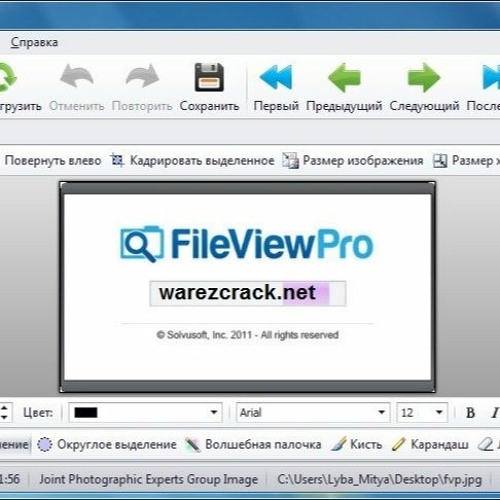
With numerous formats in the wild, it is common for users to run into archives they have never seen before and are not sure how to open. A utility like FileViewPro helps solve this problem by recognizing a wide range of compressed file types and presenting their contents in a clear, user-friendly interface. By centralizing the process into one application, FileViewPro makes it easier to browse archive contents, preview files, and choose exactly which items to restore. Whether you are a casual user, a power user, or somewhere in between, tools like FileViewPro take the complexity out of dealing with compressed files so you can focus on the content rather than the format.
In the future, compression technology will keep changing alongside faster hardware and new ways of working with data. Researchers and developers are constantly working on algorithms that deliver stronger compression with lower processing overhead, which is crucial for streaming, gaming, and large-scale cloud workloads. Despite all the innovation, the core goal has not changed; it is still about making big things smaller and more manageable. Whether you are emailing a handful of photos, archiving years of work, distributing software, or backing up business systems, compressed files continue to do the heavy lifting in the background. With the help of FileViewPro to open, explore, and extract these archives, users can take full advantage of compression without needing to understand the complex mathematics behind it, turning a powerful technical concept into a simple, everyday tool.