
Interpreting the vital data your wearable ring provides—steps, energy expenditure, and covered distance can help you optimize your daily movement for better wellness. These numbers are more than just data points—they are indicators of how active you are and how your body is responding to movement.
Your fitness ring tracks your movement throughout the day using advanced accelerometers and photoplethysmography tech. Steps are counted based on the natural oscillation of your arms and torso during locomotion. Even if you’re moving at a leisurely pace or ascending inclines, the ring adapts its detection model for diverse physical patterns.
The real value lies beyond raw step numbers, but the regularity of your physical engagement. Calories burned are estimated using your personal profile—such as age, weight, height, and gender combined with live physiological feedback. This gives a far superior estimation compared to generic formulas. The ring considers your baseline energy needs plus the additional calories burned through motion.
Distance is calculated by multiplying your step count by an estimated stride length, which is also tailored to your stature and typical gait. If you alter your walking style or traverse rough surfaces, the ring adapts over time to provide a better approximation.
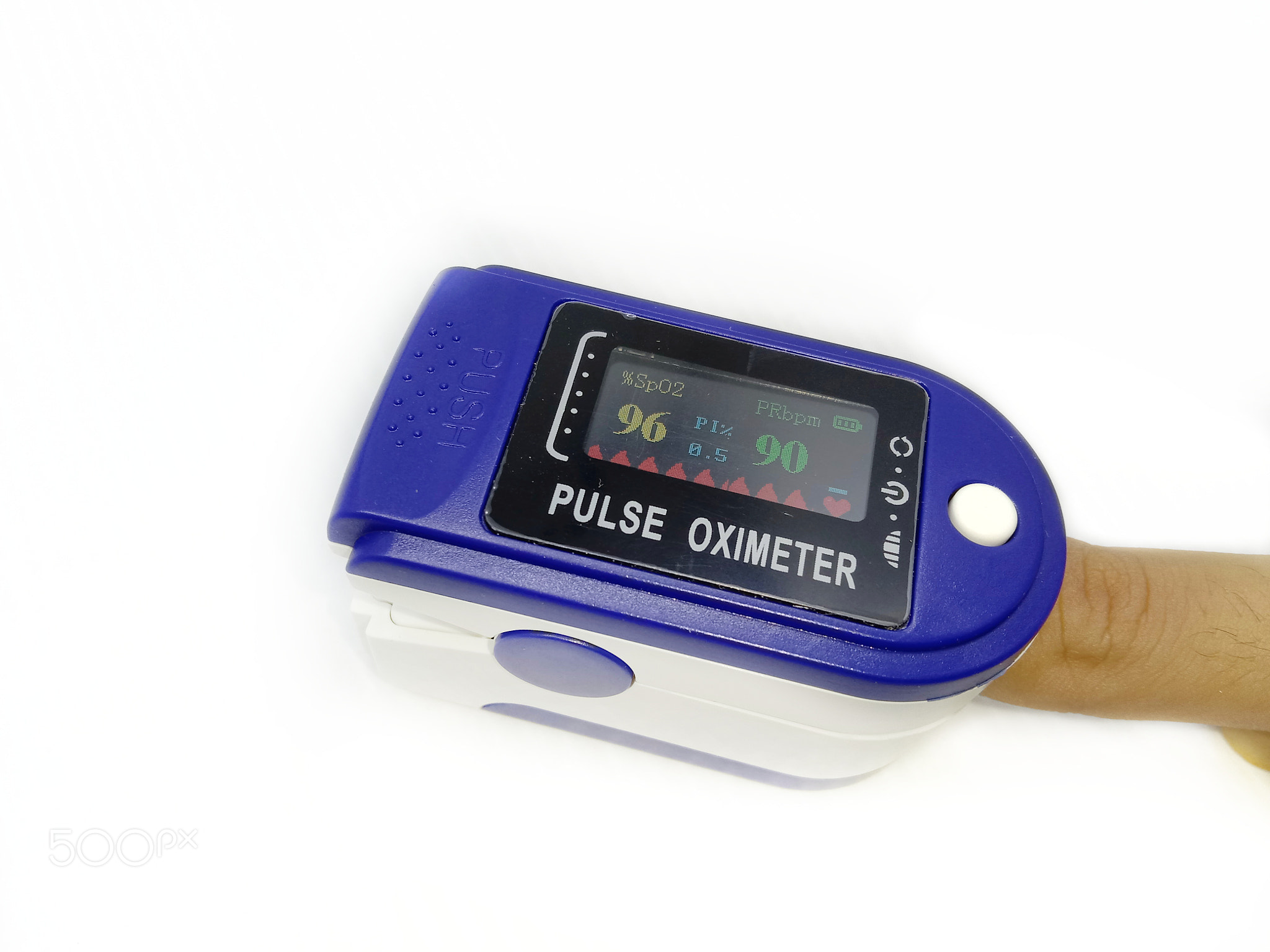
These metrics are not perfect, but they are useful for tracking trends. If your daily movement grows consistently over time or your calorie burn stays steady despite eating more, you can adjust your habits accordingly. The goal isn’t to hit arbitrary targets every day, but to understand your baseline and make gradual improvements.
Consistency matters more than intensity. A daily 30-minute stroll contributing 3000 steps is more beneficial than a high-intensity burst and then complete rest. Use the ring as a compass, not a critic. Let the numbers enhance your self-awareness of motion habits, celebrate small wins, and establish enduring practices that promote holistic well-being.