
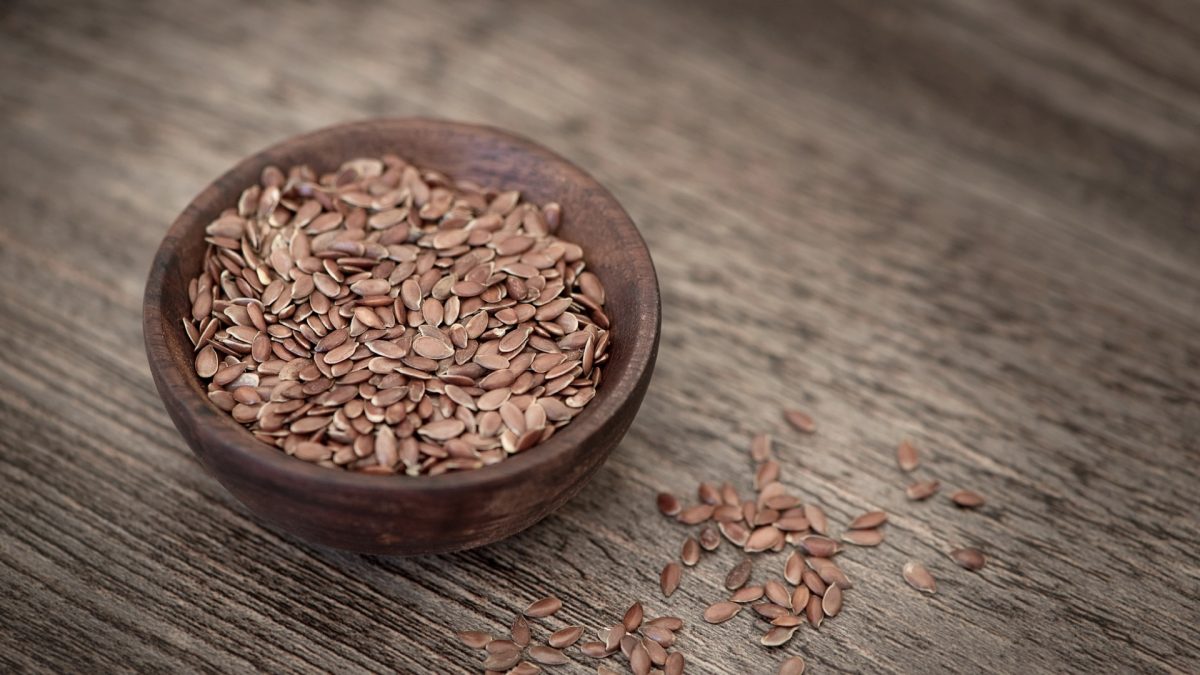
Flaxseed has been utilized for centuries in traditional healing practices for its wide array of health advantages — and today, an increasing number of individuals are embracing it as a natural, drug-free alternative for managing gastroesophageal reflux disease (GERD). Acid reflux, commonly referred to as GERD happens when acid escapes from the stomach into the food pipe, triggering a burning chest sensation, the sensation of food coming back up, and difficulty with swallowing. Although prescription medications can reduce discomfort, many prefer a more natural, non-pharmaceutical approach.
Flaxseed is exceptionally high in soluble fiber, which supports digestive soothing. When ingested, this fiber forms a thick, viscous gel, creating a protective film over the esophagus and stomach lining. This gel-like shield may ease the stinging feeling commonly experienced during acid reflux episodes.
Beyond its fiber profile, flaxseed contains essential alpha-linolenic acid (ALA) that reduce systemic swelling. Persistent digestive irritation can exacerbate reflux symptoms, so lowering inflammation may support gut healing. Flaxseed also promotes regular bowel movements, helping to avoid pressure-triggered reflux that can force acid upward.
Best results are achieved when flaxseed is consumed in ground form. Intact seeds pass through unabsorbed, meaning you don’t absorb the fiber. Simply add one teaspoon of ground flaxseed into smoothies, oatmeal, or yogurt, or dissolve it in warm tea and consume two times per day. Always consume with plenty of fluids, as the fiber needs hydration to form the gel.
Notable improvements may appear in under a week, while some need a full fortnight to see noticeable comfort. This is not a permanent solution, but rather a supportive dietary tool that enhances other healthy habits such as eliminating common reflux irritants, consuming light portions, remaining upright for at least two hours after eating, and managing excess abdominal fat.
As with any supplement, consult your healthcare provider, especially if you are managing other gastrointestinal disorders. While flaxseed is non-toxic in moderate doses, it can interfere with certain medications and may cause loose stools if taken in large amounts without gradual increase.
Those wanting to support digestion without drugs, flaxseed offers a easily accessible, https://drdard.ir/8-properties-of-flax-seeds/ (why not look here) powerful tool that enhances overall wellness — making it more than just a reflux aid, but a vital part of daily self-care.