
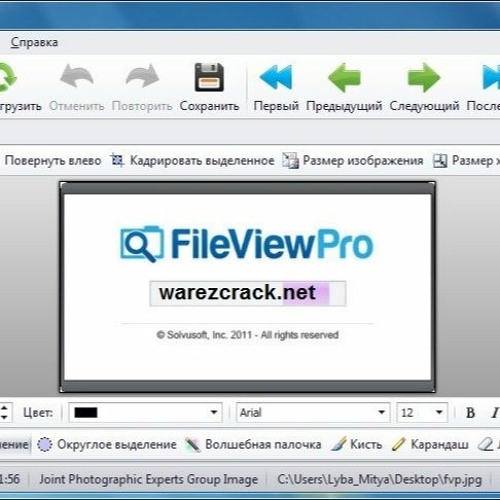
ADN database files are most commonly associated with Microsoft Access as Access Blank Project Template files, where the .ADN extension identifies a preconfigured project template rather than a normal, data-filled database. When you create a new ADP project from an ADN file, Access reads the template’s stored connection info and startup parameters and applies them automatically to the fresh project. Internally, ADN files are binary template containers, and their exact file format is proprietary and undocumented, so they are not intended to be edited by hand with generic tools. When everything is configured correctly, Access recognizes .ADN as a blank project template and quietly uses its contents as the blueprint for a new data project. If you run into an ADN file and cannot open it because Access is missing or misconfigured, the safest option is to keep a backup and use a universal viewer such as FileViewPro to identify it as an Access Blank Project Template, inspect basic properties, and help diagnose why your current environment will not turn it into a working project.
Database files are the quiet workhorses behind almost every modern application you use, from social media and online banking to email clients and small business inventory programs. At the simplest level, a database file is a structured container that stores collections of related data so software can save, search, update, and organize information efficiently. Unlike plain text documents or simple spreadsheets, database files are built around strict structures, indexing methods, and access rules so that thousands or even millions of records can be handled quickly and reliably.
Database files have their roots in early enterprise computing, when organizations in the 1950s and 1960s began shifting from paper documents to structured data stored on magnetic media. First-generation databases typically followed hierarchical or network models, where records were linked in tree-like or mesh-like structures using pointers. This style of database could handle known workflows, but it made it challenging to restructure data or add new relationships over time. The landscape changed dramatically when Edgar F. Codd presented the relational model in the 1970s, shifting databases toward table-based structures governed by clear mathematical foundations. Codd’s ideas inspired generations of relational database products, including DB2, Oracle, SQL Server, MySQL, and PostgreSQL, and each of these platforms relies on its own database files to hold structured, SQL-accessible information.
As databases evolved, the structure of their files also became more sophisticated. Many early relational engines stored user data, indexes, and system information together inside a few big proprietary files. Later generations started dividing data structures into multiple files, isolating user tables, indexes, transaction logs, and temporary storage so they could be tuned more precisely. Alongside large server systems, smaller self-contained database files appeared for desktop and mobile use, such as Access databases, SQLite files, and numerous custom formats. Whether or not you see them, database files are responsible for storing the data behind accounting packages, media collections, customer lists, POS terminals, and many other programs.
Engineers building database software must overcome multiple technical hurdles as they design the structure of their database files. To protect information from being lost or corrupted during failures, database platforms typically write changes to transaction logs and maintain built-in recovery structures. Another challenge is supporting concurrent access, allowing many users or processes to read and write at the same time without corrupting records. Within the database files, indexes function as smart roadmaps that point queries toward specific records, dramatically reducing the need for full-table scans. Certain designs are optimized for analytical queries, grouping data by columns and relying on compression and caching, whereas others emphasize high-speed writes and strong transaction guarantees for transactional systems.
The role of database files extends into many advanced domains that require more than just basic storage of customer lists or inventory tables. When used in data warehousing and BI, database files consolidate historical data from many systems, giving analysts the foundation they need to explore trends and plan for the future. In geographic information systems, specialized database formats store maps, coordinates, and attributes for locations around the globe. Scientists and engineers employ database files to preserve lab measurements, simulation data, and sensor streams, making it possible to search and cross-reference very large datasets. Modern NoSQL platforms, including document, key-value, and graph databases, ultimately persist information to database files as well, even if the layout is far removed from classic row-and-column tables.
As computing has moved from standalone servers to globally distributed platforms, the way database files are managed has changed alongside it. Historically, one database file or set of files would sit on a single host machine, whereas modern cloud databases break data into segments replicated and spread across many servers. At the lowest level, these systems still revolve around files, which are often written in an append-first style and then cleaned up or compacted by background processes. Modern database file layouts are frequently shaped around the behavior of SSDs and networked storage, minimizing random I/O and capitalizing on parallelism. Nevertheless, the fundamental concept does not change; the database file is still the long-term home of the data, regardless of how abstract or “virtual” the database may seem from the outside.
With different vendors, workloads, and platforms, it is not surprising that there are countless database file extensions and unique storage formats in use. Certain database file types are openly specified so other software can read them, but many are proprietary and designed to be used only by the original application. For users, this variety can be confusing, especially when they discover unfamiliar database files on their systems or receive them from colleagues, clients, or legacy software. In some cases, the file belongs to an installed program and should never be modified by hand; in other cases, it acts as a standalone portable database or a simple local cache.
In the future, database file formats will probably grow more specialized and efficient, adapting to new hardware and evolving software patterns. Future formats are being built with aggressive compression, quick analytical access, and advanced safeguards that maintain accuracy even across complex distributed setups. Because companies regularly migrate to new platforms, merge databases, and integrate cloud services with local systems, tools for moving and converting database files are more critical than ever. In case you have any kind of queries regarding in which and also tips on how to utilize ADN file compatibility, you can email us with the web-page. Under these conditions, tools capable of identifying and inspecting database files play a key role, particularly when the original software is missing or poorly documented.
For everyday users, the most important thing to understand is that database files are not random blobs of binary data but carefully structured containers designed to balance performance, reliability, and flexibility. This careful structure means you should not casually change database files by hand; instead, you should back them up and access them through software that understands their format. Tools such as FileViewPro aim to recognize a wide range of database file extensions, give you a way to view or inspect them where it is safe to do so, and show how they fit into your overall workflow. From occasional users to IT professionals, anyone who knows how database files function and how to interact with them is better prepared to protect, migrate, and make use of the information they contain.